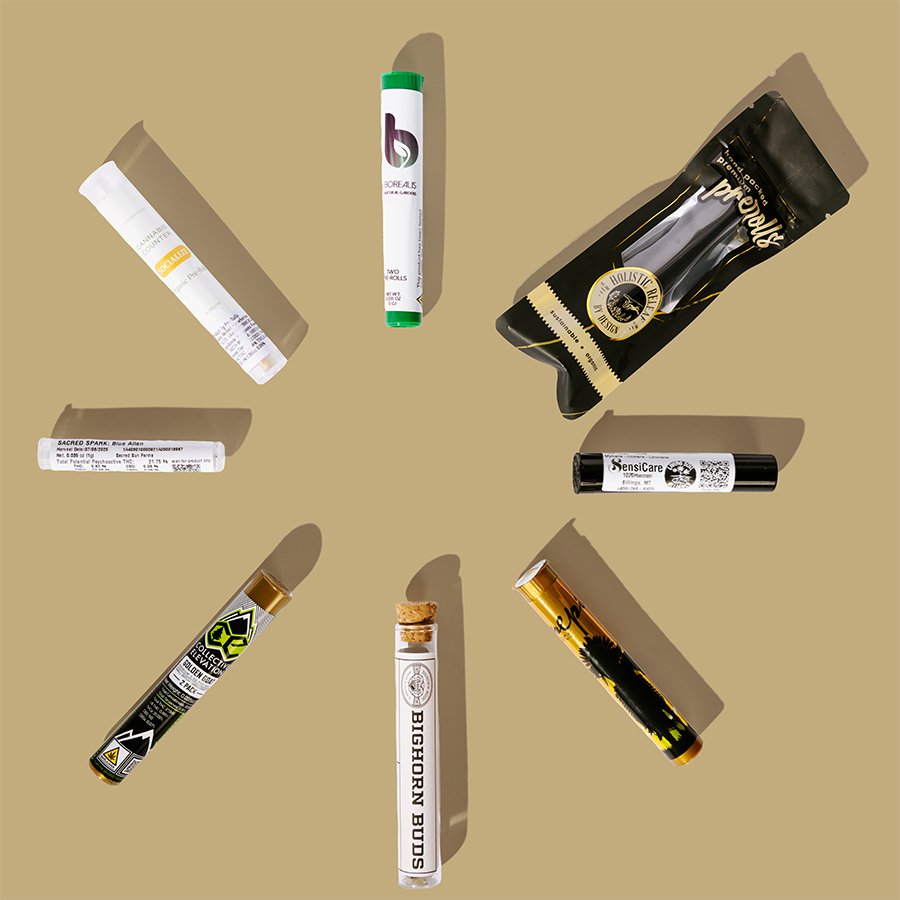
Living Soil Alliance
Information for Consumers

Living Soil Cannabis:
Understanding How It’s Grown
As Montanans, many of us care deeply about where our products come from, how they’re made, what goes into them, and how they impact our land and communities.
Consumer education is one of our passions, and we’re here to provide information on how living soil cannabis is grown, how it differs from conventional methods, and why cultivation practices matter.
How Is Living Soil Cannabis Different from Conventional Cannabis?
What do we mean by “conventional”?
In cannabis, conventional typically refers to cultivation systems that use:
Hydroponic or soilless growing media
Salt-based nutrient solutions
Synthetic inputs for fertility and pest control
These systems are often chosen for efficiency, consistency, scalability, and high yields.
How is living soil different?
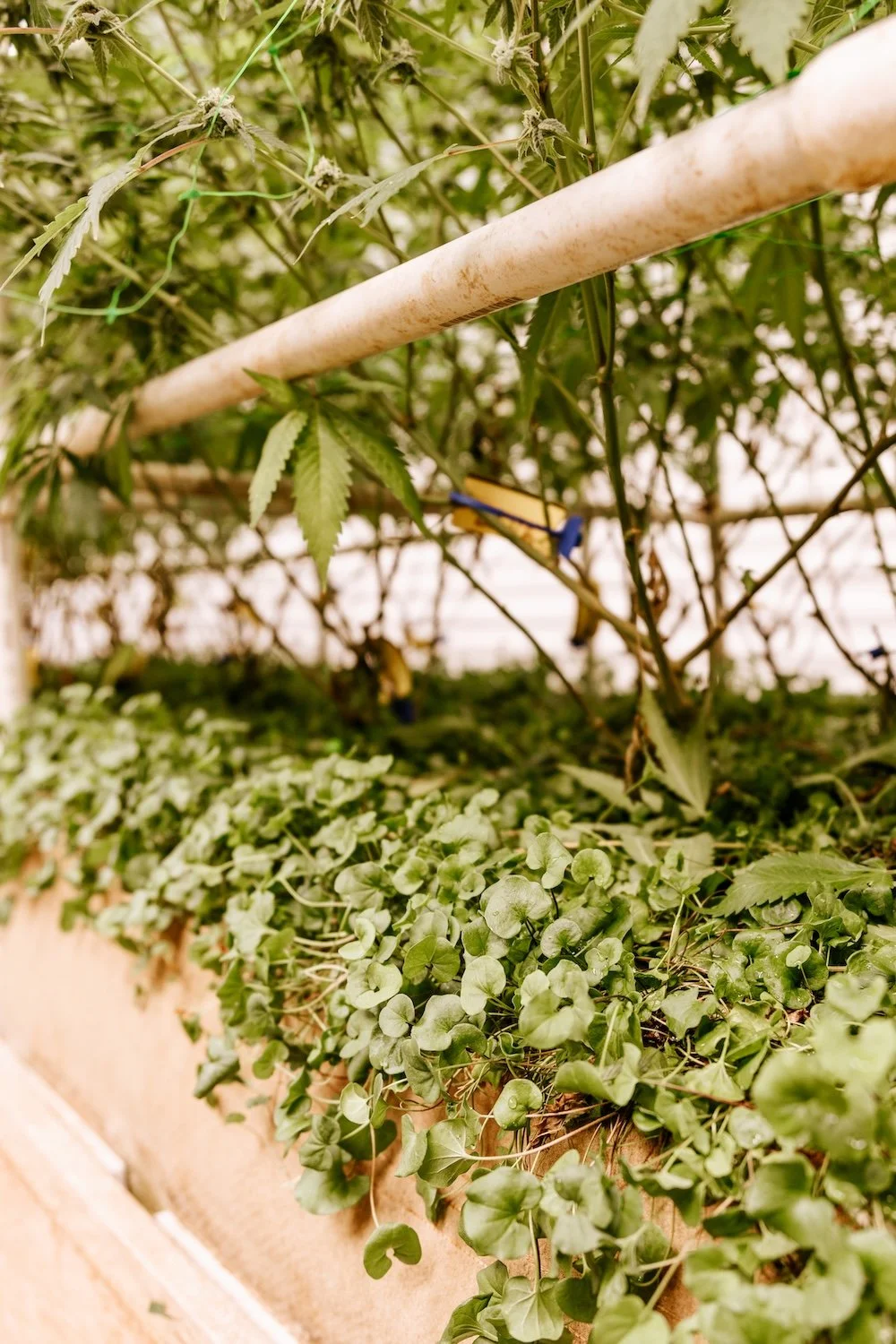
Living soil cannabis is grown in a biologically active soil ecosystem, not an inert medium.
Instead of feeding the plant directly with liquid nutrients, growers feed the soil. Microbes, fungi, and organic matter break down nutrients naturally, creating a symbiotic relationship between soil life and plant roots.
Key Differences Include:
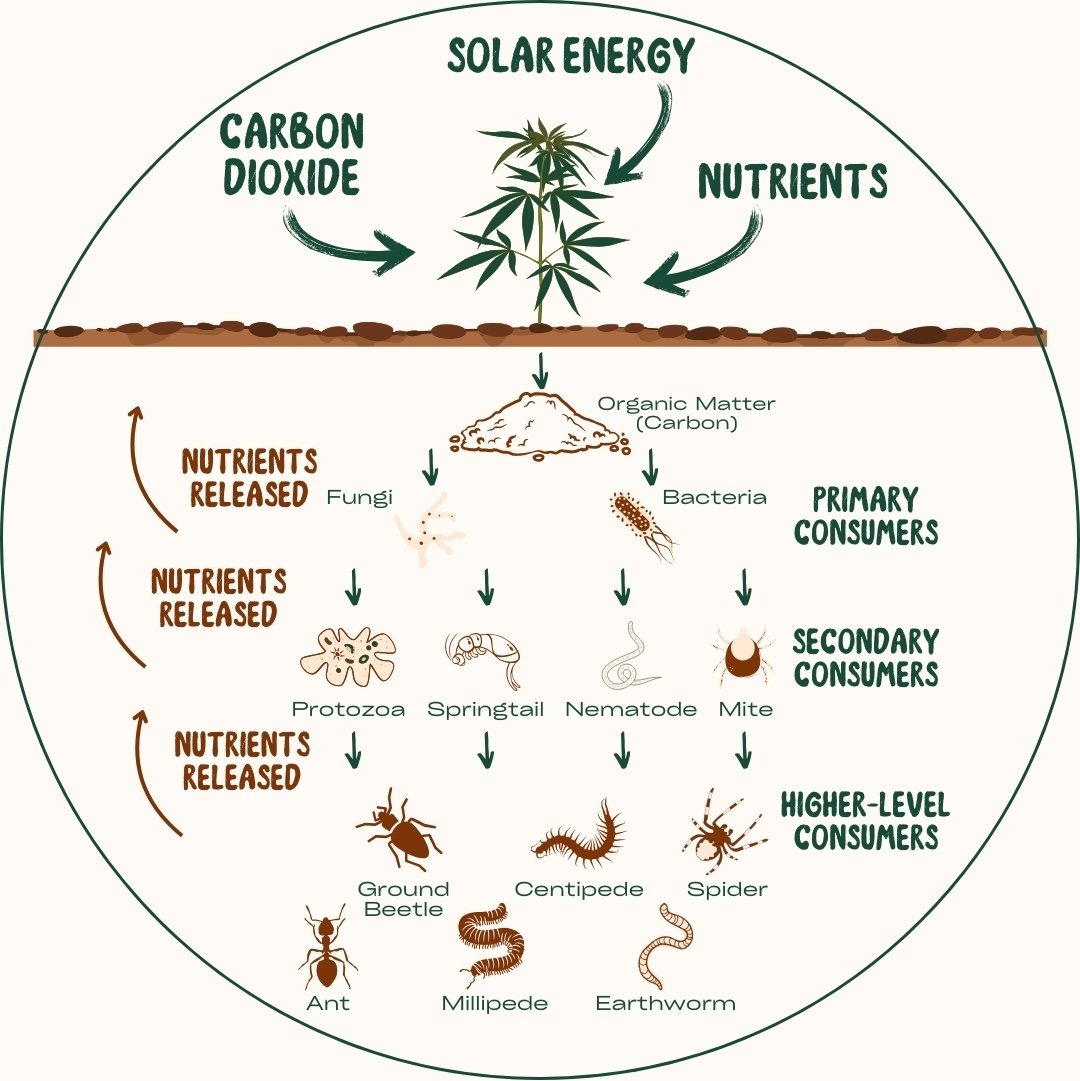
Nutrient Delivery
Conventional systems deliver nutrients directly to the plant.
Living soil relies on natural nutrient cycling through organic matter and soil organisms.
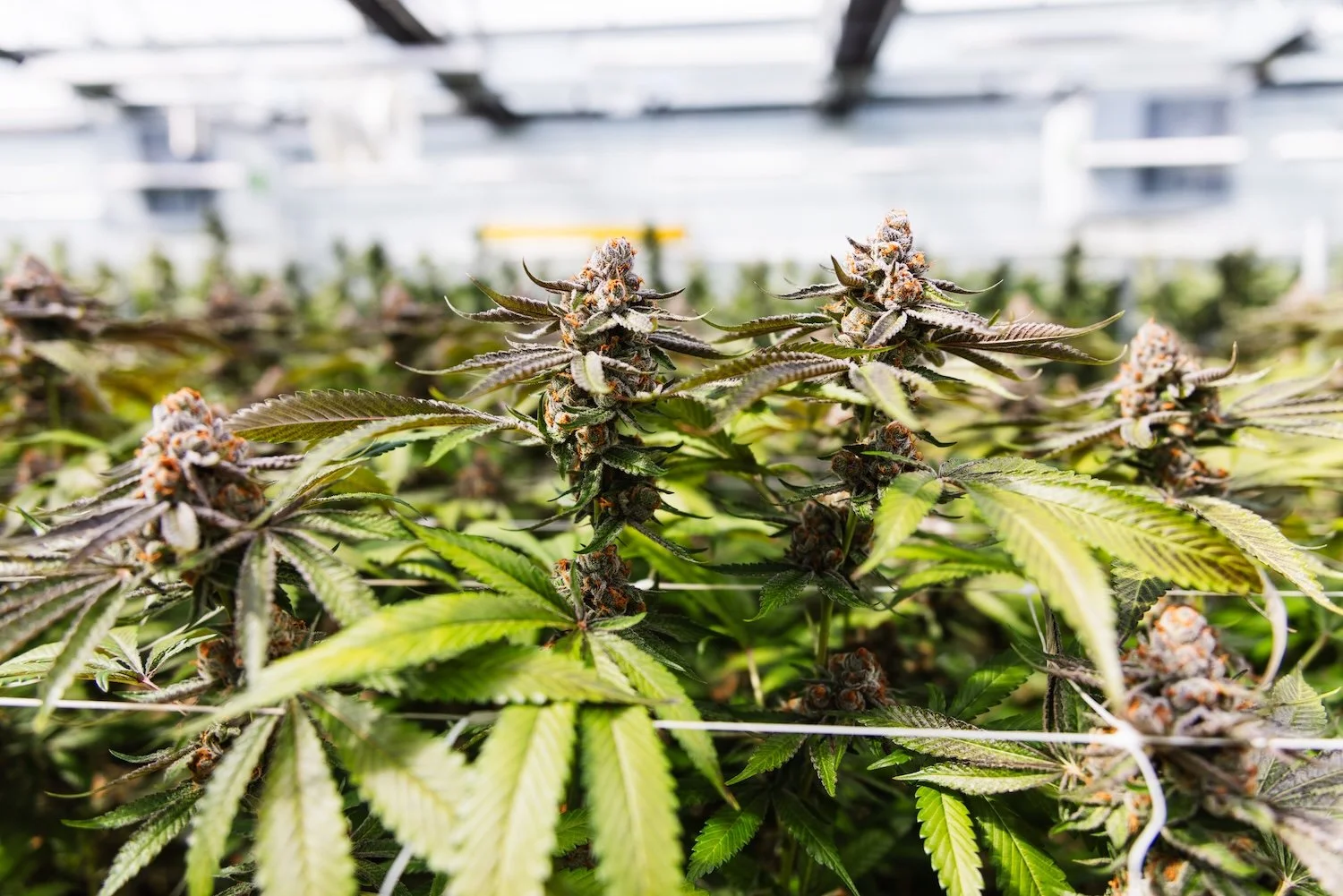
Flavor & Aroma Expression
Biologically active soil may support fuller terpene expression, contributing to complex aroma and flavor profiles.
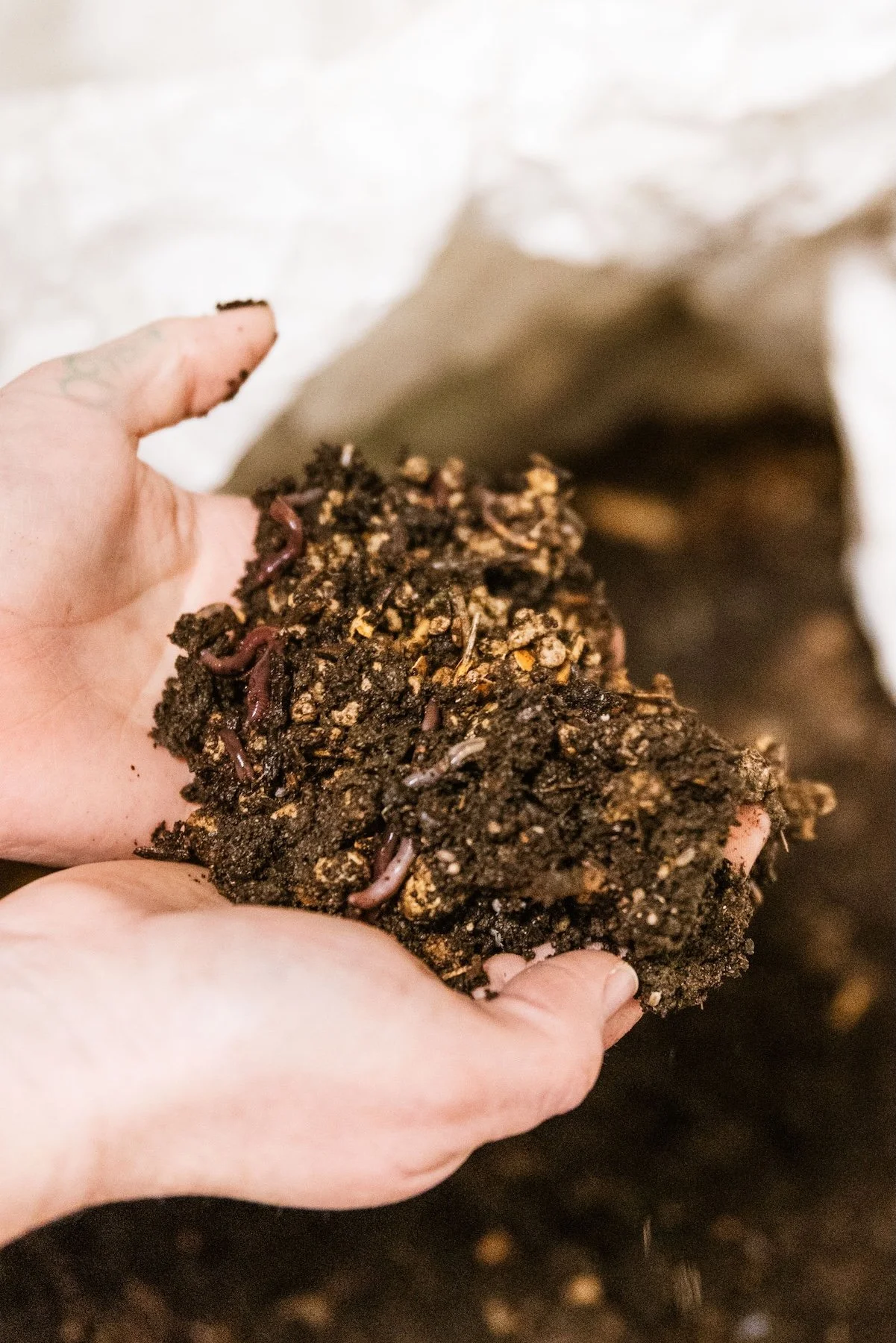
Inputs
Conventional systems often use formulated salt nutrients and synthetic controls for precision and predictability.
Living soil systems prioritize organic amendments, compost, and natural pest management.
Environmental Impact
Living soil systems focus on long-term soil regeneration and reduced synthetic inputs.
Experience the Living Soil Difference with our LSA Variety Packs